
If your cat suddenly starts peeing or pooping outside the litter box, it can be frustrating, confusing, and difficult to manage. You may find urine on your furniture, carpets, laundry, or even your bed.
However, cats rarely stop using their litter box without a reason. This behavior is not usually about revenge, anger, or being spiteful. Instead, it may be your cat’s way of communicating that something is wrong.
Litter box problems generally fall into two major categories: medical problems affecting your cat and problems with the litter box itself. Understanding the cause is the first step toward correcting the behavior and helping your cat feel comfortable again.
Why Do Cats Pee or Poop Outside the Litter Box?
Cats may stop using their litter box because of pain, illness, stress, fear, an unpleasant litter type, poor cleanliness, or an inconvenient location.
Some cats may urinate outside the box, while others may defecate elsewhere. In certain cases, cats may continue using the litter box for one type of elimination but avoid it for the other.
Before making changes to your cat’s litter box, it’s important to determine whether an underlying medical condition could be responsible.
1. Medical Problems Can Cause Litter Box Avoidance
One of the first things you should do when your cat starts eliminating outside the litter box is schedule a veterinary examination.
Several medical conditions can affect your cat’s ability or willingness to use the litter box, including:
- Urinary tract infections
- Bladder inflammation, including feline idiopathic cystitis
- Urinary stones or blockages
- Kidney disease
- Diabetes
- Constipation or gastrointestinal problems
- Arthritis and joint pain
- Dental pain
- Other conditions causing discomfort or difficulty moving
When urination or defecation becomes painful, a cat may begin associating the litter box with discomfort. As a result, they may start looking for another place to eliminate.
Cats may also experience increased urgency or frequency of urination because of certain illnesses, making it difficult for them to reach the litter box in time.
Signs Your Cat May Have a Medical Problem
Pay attention to changes in your cat’s behavior, including:
- Frequent trips to the litter box
- Straining to urinate or defecate
- Producing only small amounts of urine
- Crying or vocalizing while using the box
- Blood in the urine or stool
- Excessive licking around the genital area
- Increased thirst
- Changes in appetite or energy
- Difficulty climbing into the litter box
Important: If your cat repeatedly tries to urinate but produces little or no urine, this may indicate a urinary blockage. This is a potentially life-threatening emergency, particularly in male cats. Seek immediate veterinary care rather than waiting to see whether the problem resolves.
Your veterinarian may perform a physical examination, urine testing, bloodwork, or other diagnostic tests to determine the underlying cause.
2. Stress and Changes in the Environment
Cats are sensitive to changes in their surroundings. Even changes that seem harmless to humans can make some cats feel anxious or uncomfortable.
Common stress triggers include:
- Moving to a new home
- New pets or family members
- Visitors staying in the house
- Renovations or construction noise
- Rearranging furniture
- Changing daily routines
- Conflict with other cats
- Changes in food or litter
Stress may also contribute to urinary problems, including feline idiopathic cystitis, which can cause bladder inflammation and painful or frequent urination.
Try to identify anything that has changed in your cat’s environment around the time the litter box problem started.
Provide a quiet, predictable environment with comfortable resting places, hiding spots, and easy access to essential resources such as food, water, and litter boxes.
3. Your Cat May Not Like a Dirty Litter Box
Cats are naturally clean animals, and many are sensitive to the condition of their toilet area.
A litter box containing urine, feces, strong odors, or excessive waste may become unpleasant enough for your cat to avoid.
To maintain a clean litter box:
- Scoop urine clumps and feces at least once daily.
- Clean the litter box regularly.
- Replace litter as needed, depending on the type and condition.
- Wash the box using mild, cat-safe cleaning products.
- Avoid strong fragrances that may remain after cleaning.
A clean litter box can make a significant difference, especially for cats that are particularly sensitive to odors or dirty litter.
4. The Litter Box Type May Be the Problem
Sometimes, the problem isn’t the litter itself but the design of the box.
Cats may dislike litter boxes that are too small, difficult to enter, enclosed, or uncomfortable to use.
Many cats prefer a simple, spacious, open litter box that allows them to move around comfortably and observe their surroundings.
Consider the following:
- Size: Your cat should have enough room to turn around, dig, and cover their waste.
- Entry height: Older cats, kittens, and cats with arthritis may struggle with high sides.
- Covered boxes: Some cats feel uncomfortable inside enclosed boxes because they cannot easily see their surroundings or escape.
- Automatic litter boxes: Some cats may dislike the noise, movement, or unfamiliar design.
- Litter liners: Certain cats dislike the texture or movement of liners beneath their paws.
If your cat consistently avoids a particular box, try offering a larger, open, plain litter box and see whether their behavior improves.
5. Your Cat May Dislike the Litter
The type of litter you use can influence whether your cat feels comfortable using the box.
Cats may dislike strongly scented litter, unfamiliar textures, large pellets, or sudden changes in litter type.
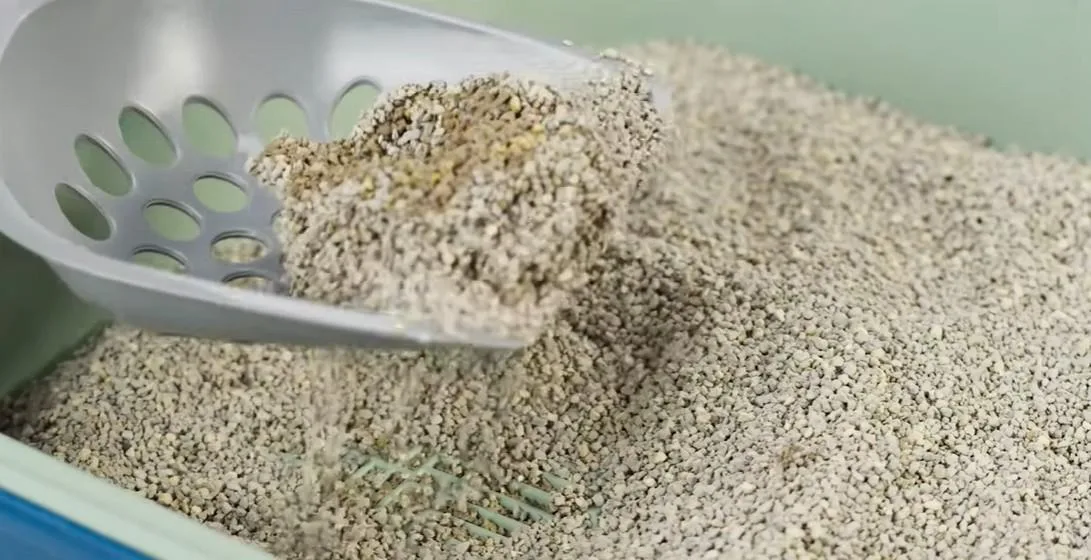
Many cats prefer fine-textured, unscented, clumping litter that feels similar to sand beneath their paws.
If you recently changed litter brands and your cat started eliminating outside the box, consider returning to the previous litter or gradually introducing the new type.
Avoid making sudden changes when possible. Offering two litter boxes with different litter types can also help you identify your cat’s preference.
6. The Litter Box May Be in the Wrong Location
Location matters just as much as cleanliness and litter type.
Cats generally prefer quiet, accessible areas where they can eliminate without being disturbed. A litter box placed in a busy hallway, near loud appliances, or in an area where another pet can intimidate them may become stressful.
Avoid placing litter boxes:
- Beside washing machines or dryers
- Near loud furnaces or appliances
- In busy hallways or high-traffic areas
- Next to food and water bowls
- In locations where another animal can block access
- In areas that are difficult for older or mobility-impaired cats to reach
Choose a quiet location that offers privacy without making your cat feel trapped. Your cat should be able to approach, use the box, and leave comfortably.
If your home has multiple floors, consider providing a litter box on each floor so your cat doesn’t have to travel far.
7. You May Not Have Enough Litter Boxes
In a multi-cat household, competition for litter boxes can become a serious problem.
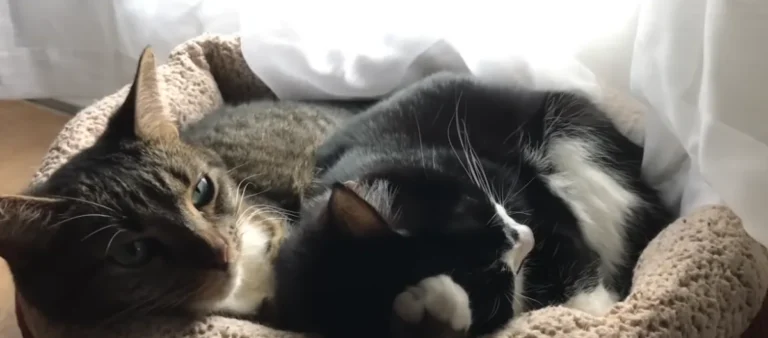
One cat may intimidate another, block access, or make the litter box area feel unsafe. Even if you don’t observe direct fighting, tension between cats can affect their behavior.
A widely recommended guideline is:
One litter box per cat, plus one extra.
For example:
- 1 cat = 2 litter boxes
- 2 cats = 3 litter boxes
- 3 cats = 4 litter boxes
Whenever possible, place the boxes in different locations rather than keeping them all beside each other. This helps ensure that every cat has access to an alternative toilet area.
In multi-cat households, separate litter box locations can reduce competition and give cats more opportunities to eliminate in peace.
8. Pain or Mobility Problems May Make the Box Difficult to Use
Older cats or cats experiencing joint pain may avoid litter boxes that were previously comfortable.
A high-sided box, stairs, or a litter box located far away may become difficult to access. Even a small amount of pain when stepping over the edge can discourage a cat from using the box.
If your cat is older or has mobility problems, consider:
- A low-entry litter box
- A larger box with plenty of room
- Placing the box on the same floor where your cat spends most of their time
- Keeping the box close to resting areas
- Providing easy access without stairs
If you suspect arthritis or other pain, arrange a veterinary examination rather than assuming your cat is simply becoming less tidy.
How to Stop Your Cat From Going Outside the Litter Box
Once medical causes have been evaluated, you can begin making practical changes to improve your cat’s litter box experience.
Step 1: Visit Your Veterinarian
Start with a medical examination, particularly if the behavior is new or sudden. Don’t assume the problem is behavioral until medical causes have been considered.
Step 2: Keep the Litter Box Clean
Scoop daily, remove waste regularly, and maintain a comfortable litter depth. A clean box is more appealing to most cats.
Step 3: Choose a Suitable Box and Litter
Try a spacious, open litter box and unscented, fine-textured litter. Avoid unnecessary changes and allow your cat to choose between options when possible.
Step 4: Improve the Location
Move the litter box to a quiet, accessible location away from noisy appliances, food, and water. Make sure your cat can approach and leave without being disturbed.
Step 5: Provide Enough Boxes
Follow the one-box-per-cat-plus-one-extra guideline. Place boxes in separate locations to reduce competition.
Step 6: Reduce Stress
Maintain a consistent routine and give your cat safe resting places, hiding areas, and comfortable spaces. If there are multiple cats, make sure each has access to resources without being bullied.
Step 7: Clean Accidents Properly
Clean soiled areas thoroughly with an enzymatic cleaner specifically designed for pet urine. Lingering odors can encourage cats to return to the same spot.
Avoid punishing your cat for accidents. Punishment can increase stress and make litter box problems worse. Instead, focus on identifying and addressing the underlying cause.
Frequently Asked Questions
Why is my cat suddenly peeing outside the litter box?
Sudden changes in litter box behavior may be caused by urinary problems, pain, stress, changes in the environment, or dissatisfaction with the litter box. A veterinary examination is recommended to rule out medical causes.
Is my cat peeing outside the litter box out of spite?
No. Cats generally do not eliminate outside the litter box to punish their owners. This behavior is more likely related to a medical problem, stress, fear, or an issue with their litter box environment.
How many litter boxes should I have for my cats?
A common recommendation is one litter box per cat, plus one extra. For example, two cats should ideally have three litter boxes in separate, accessible locations.
What type of litter do cats usually prefer?
Many cats prefer fine-textured, unscented, clumping litter. However, individual preferences vary, so offering different litter types in separate boxes may help you discover what your cat likes.
When should I take my cat to the vet for litter box problems?
You should arrange a veterinary appointment whenever your cat suddenly starts eliminating outside the litter box. If your cat is straining to urinate, repeatedly attempting to pee without producing urine, crying in pain, or showing signs of distress, seek emergency veterinary care immediately.