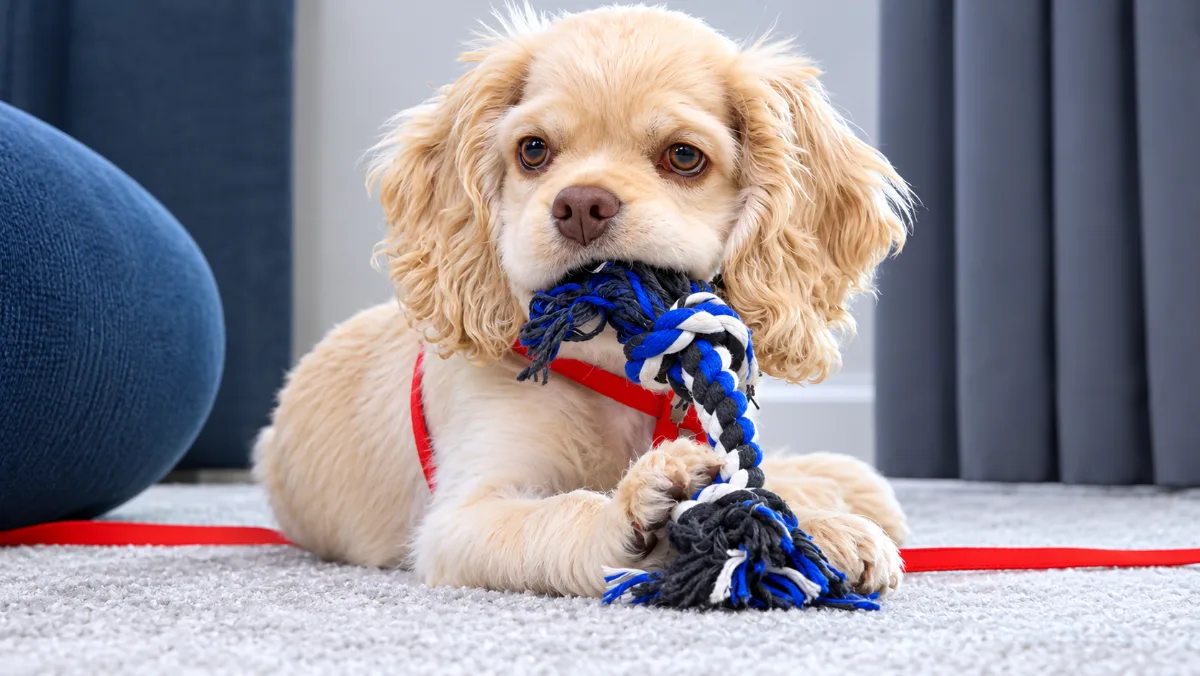
Crate training can help puppies learn to relax, feel secure, and become comfortable spending time alone. However, some puppies bark, whine, or become restless as soon as they are placed inside their crate.
The key to successful crate training is understanding why your puppy is making noise, meeting their basic needs, and gradually teaching them that the crate is a safe and comfortable place to rest.
A puppy who cries in the crate may be bored, uncomfortable, need a bathroom break, or feel anxious about being separated from their owner. With patience, consistency, and positive reinforcement, you can help your puppy develop calmer crate habits.
Why Do Puppies Whine or Bark in Their Crates?
Before addressing crate barking, it’s important to understand why your puppy is making noise.
Common reasons include:
- Boredom: Your puppy needs mental stimulation or something enjoyable to do.
- Bathroom needs: Young puppies cannot hold their bladder for long periods.
- Attention-seeking: Your puppy wants interaction or companionship.
- Separation anxiety: Your puppy feels distressed when you leave.
- Lack of crate training: Your puppy hasn’t learned that the crate is a comfortable, safe space.
- Fear or discomfort: The crate may be unfamiliar, uncomfortable, too warm, or poorly positioned.
Always check your puppy’s needs before assuming the whining is simply a behavioral problem.
Step 1: Make Sure Your Puppy Has Everything They Need
Before placing your puppy in the crate, make sure they have:
- Had an appropriate meal
- Access to fresh water
- A bathroom break
- Enough age-appropriate exercise and play
- A comfortable resting environment
If your puppy starts whining after being quiet for a while, they may need another bathroom break.
Keep nighttime bathroom trips calm and brief. Take your puppy outside, allow them to eliminate, and return them to the crate without turning the trip into playtime.
Step 2: Make the Crate a Positive Place
Your puppy should learn that going into the crate brings good experiences.
Start by leaving the crate door open and placing treats, toys, or meals inside. Allow your puppy to explore it voluntarily.
You can encourage them by:
- Tossing treats near the crate entrance
- Placing treats just inside the doorway
- Gradually moving treats toward the back
- Feeding meals inside the crate
- Praising them when they enter voluntarily
Never force your puppy into the crate or use it as punishment.
The goal is for your puppy to willingly enter because they feel comfortable and expect something positive.
Step 3: Reward Calm Behavior
One of the most useful crate-training skills is rewarding your puppy when they are calm and quiet.
If your puppy is resting comfortably inside the crate while you move around the room, quietly praise them or drop a small treat inside.
Reward moments when your puppy:
- Lies down calmly
- Remains quiet while you move around
- Relaxedly watches you leave the room
- Settles after playing
- Enters the crate willingly
Don’t wait until your puppy starts barking to interact with them. Look for opportunities to reward calm behavior before the barking begins.
Step 4: Keep the Crate Near You Initially
Crate location can make a significant difference during training.
If your puppy becomes anxious whenever you leave the room, consider placing the crate in an area where you spend time, such as the living room or kitchen.
This allows your puppy to see you doing normal activities without constantly feeling isolated.
You can practice simple activities such as:
- Preparing food
- Folding laundry
- Sitting on the couch
- Walking around the room
- Working nearby
As your puppy becomes more comfortable, gradually increase the distance between you and the crate.
Step 5: Practice Leaving the Room Gradually
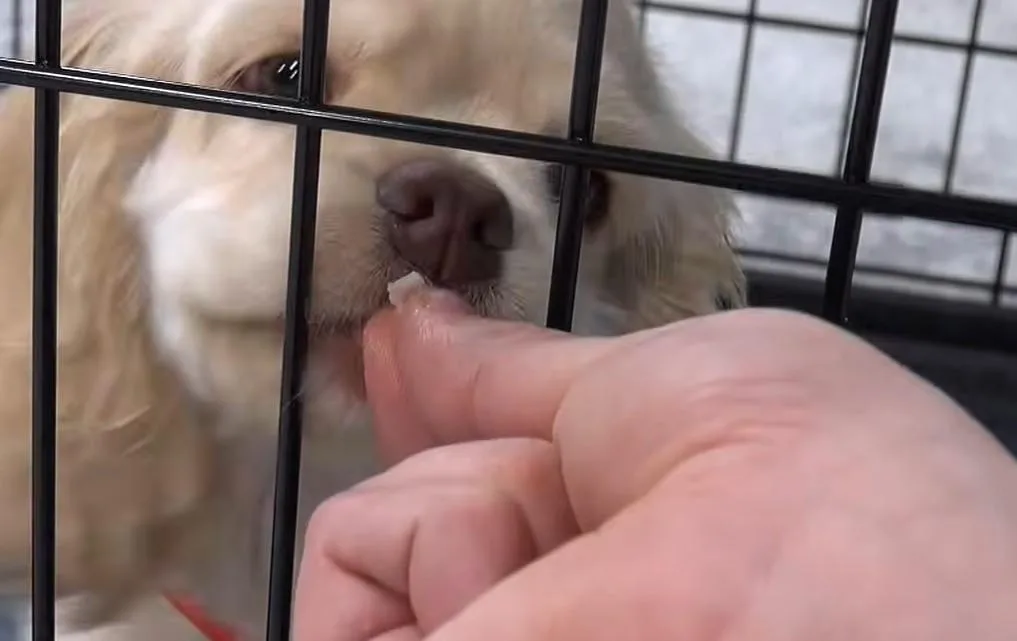
Don’t begin by leaving your puppy alone for ten or twenty minutes and hoping they settle.
Start with very short separations.
Beginner crate-training exercise:
- Wait until your puppy is calm in the crate.
- Step away for one or two seconds.
- Return while your puppy is still quiet.
- Reward calm behavior.
- Repeat several times.
- Gradually increase the time you spend out of sight.
You can progress from a few seconds to several seconds, then longer periods as your puppy becomes comfortable.
If your puppy starts becoming distressed, reduce the difficulty. Return to shorter separations and build confidence again.
The goal is to teach your puppy that you leaving the room is normal and that you will return.
Step 6: Gradually Increase Crate Time
Once your puppy can remain calm for short periods, slowly increase the amount of time they spend in the crate.
Avoid making large jumps in duration.
For example, if your puppy comfortably settles for 30 seconds, you might practice a little longer rather than suddenly expecting them to remain quiet for 15 minutes.
Every puppy learns at a different pace. Some become comfortable quickly, while others need days or weeks of gradual training.
Step 7: Respond Appropriately to Whining
When your puppy starts whining, first consider whether they need something.
If they need to go to the bathroom, take them outside. If they are uncomfortable, frightened, or showing signs of distress, help them and make the next training session easier.
If your puppy is only briefly vocalizing while adjusting and remains relaxed, you can wait for a brief quiet moment before calmly rewarding or opening the crate.
However, don’t ignore prolonged crying, panic, or attempts to escape.
Avoid yelling, banging on the crate, spraying water, or using frightening noises to stop barking. These methods can make the crate feel less safe and may increase anxiety.
Step 8: Use Food Toys and Safe Chews
Giving your puppy something enjoyable to do can help them settle inside the crate.
Consider using:
- A puppy-safe food-stuffed toy
- A suitable chew
- A treat-dispensing toy
- A portion of their regular meal
These activities can help your puppy develop a positive association with crate time.
Always ensure the item is appropriate for your puppy’s age, size, chewing style, and supervision level. Avoid leaving items that could break apart, become choking hazards, or cause intestinal obstruction.
Step 9: Choose the Right Crate
The crate should be large enough for your puppy to stand up, turn around, lie down comfortably, and stretch.
Consider your puppy’s preferences when choosing a crate:
- Wire crates provide visibility and ventilation.
- Plastic crates can feel more enclosed.
- A partially covered crate may help some puppies feel more secure.
If you cover a crate, ensure good ventilation and prevent your puppy from pulling, chewing, or becoming tangled in the cover.
Place the crate away from direct sunlight, drafts, and excessive heat.
Step 10: Build a Consistent Crate Routine
Consistency helps puppies understand what happens throughout the day.
A simple routine might include:
- Bathroom break
- Short play or training session
- Calm time
- Crate entry with a treat
- Quiet resting period
- Bathroom break when needed
Use the crate for naps and appropriate periods of rest—not as a place where your puppy spends most of the day.
Young puppies need frequent bathroom breaks, exercise, social interaction, and opportunities to explore their environment.
Step 11: Avoid Letting Your Puppy Repeatedly Practice Barking
During the early stages of training, try to prevent your puppy from reaching the point of intense barking or distress.
If your puppy repeatedly struggles whenever you leave, make the exercise easier.
You may need to:
- Stay closer to the crate
- Reduce the separation duration
- Practice when your puppy is more relaxed
- Increase enrichment
- Rebuild positive crate associations
Successful training means setting your puppy up to succeed—not repeatedly exposing them to situations they cannot yet handle.
Step 12: Be Patient and Recognize Progress
Crate training isn’t completed in one session.
Your puppy may make progress one day and struggle the next. Changes in routine, new environments, teething, illness, or developmental stages can affect their behavior.
Celebrate small improvements, such as entering the crate willingly, relaxing for a few minutes, or remaining quiet while you briefly leave the room.
If your puppy shows severe distress, excessive drooling, frantic escape attempts, biting the crate, or self-injury, stop the exercise and seek help from your veterinarian or a qualified behavior professional.
Conclusion
Puppy crate training works best when you focus on building trust, comfort, and confidence.
Start by meeting your puppy’s needs, creating positive experiences inside the crate, rewarding calm behavior, and gradually practicing short separations. Keep sessions manageable and adjust your training based on your puppy’s reactions.
With consistency and patience, your puppy can learn that the crate is a comfortable place to relax—not somewhere they need to fear or fight against.
Frequently Asked Questions
How long does it take to crate train a puppy?
Crate training can take several days to several weeks, depending on your puppy’s age, temperament, previous experiences, and consistency of training. Some puppies learn quickly, while others require slower, gradual practice.
Should I ignore my puppy crying in the crate?
Brief whining may happen during adjustment, but you should first check whether your puppy needs to go outside or is uncomfortable. Never ignore prolonged distress, panic, or attempts to escape. If your puppy struggles, reduce the training difficulty.
Should I put my puppy’s crate in my bedroom?
Keeping the crate near your bedroom can help young puppies feel more secure, especially at night. You can gradually move it to another location once your puppy is comfortable sleeping independently.
What should I put inside my puppy’s crate?
You can use comfortable bedding if your puppy doesn’t chew or destroy it, along with suitable toys or safe food enrichment. Ensure anything inside is appropriate for unsupervised use and doesn’t create a choking or entanglement risk.
How do I stop my puppy from barking when I leave the room?
Start with very short separations and return before your puppy becomes distressed. Reward calm behavior and gradually increase the time you spend out of sight. If your puppy consistently panics when left alone, seek guidance from a veterinarian or qualified behavior professional.